

Introduction: Turning “Can’t Treat” Into “Predictably Treat”
For many general dentists, the posterior maxilla feels like a red line. Pneumatized sinuses, limited vertical height, and softer bone can make single-unit implants feel uncertain—even when your restorative plan is straightforward. Sinus augmentation turns that red line into a realistic, ethical treatment pathway. The aim of Level 2 is not heroics; it’s repeatable, supervised technique that you can take home safely. Over an intensive week, you’ll often complete multiple sinus lifts—both crestal and lateral window—gaining the tactile literacy and judgment that only come from real cases.
Who Level 2 Is For (and When to Wait)
Ideal candidates have completed Level 1 or have equivalent experience placing healed posterior implants with consistent, documented outcomes. You should be comfortable with flap design, suturing, sterile protocols, and CBCT-based planning. If you already have a reliable implant day and want to expand indications ethically, Level 2 is your next step.
Wait for later if your posterior single-unit placements are still inconsistent, if documentation is spotty, or if you haven’t yet built predictable soft-tissue closures. Grafting magnifies both good and bad habits. Master the basics first—the sinus will still be there next month.
Why the Posterior Maxilla Demands Respect
- Reduced vertical height after pneumatization and post-extraction remodeling.
- Lower bone density (often Type III–IV), requiring under-preparation and careful primary stability strategy.
- Variable sinus anatomy, including septa, thickened membranes, and irregular floors.
- Patient factors—allergies, sinus health, smoking, and systemic risks—that affect healing.
Respect isn’t fear; it’s the discipline to plan precisely, to execute gently, and to stop when conditions aren’t right.
Crestal vs Lateral: An Evidence-Aware, Chairside Algorithm
Crestal approach (osteotome or hydraulic/balloon techniques) is best for modest elevation where residual bone height (RBH) is adequate for simultaneous implant stability. It’s minimally invasive, time-efficient, and ideal when anatomy is cooperative.
Lateral window is the workhorse when you need larger vertical gains, visibility around septa, or when the membrane requires controlled elevation under direct vision. It’s also the fallback when crestal access reveals surprises.
A practical decision tree you’ll internalize:
- RBH ≥ 6–7 mm, no septa in the path, uniform floor → consider crestal with cautious elevation and simultaneous placement.
- RBH 3–6 mm, complex floor or visible septa near the site → lateral window; decide on simultaneous vs staged based on primary stability.
- RBH < 3–4 mm or membrane pathology/thickening that limits elevation → lateral window, often staged to protect the graft.
- Any uncertainty intra-op (poor visibility, micro-tears you can’t control, inadequate stability) → convert to lateral or stage. Judgment beats persistence.
Pre-operative Assessment: Build the Case to Win
CBCT mapping is non-negotiable. You’ll measure RBH, sinus width, buccal plate thickness, locate septa, and trace the posterior superior alveolar artery zone. Plan your window margins and access angles on the scan, not in your head.
Sinus health screening. A focused history (recurrent sinusitis, allergies, recent URIs), anterior rhinoscopy if you’re trained, and willingness to consult ENT when findings are suspicious. A healthy sinus is the best graft material you’ll ever use.
Medical risk. Smoking status, diabetes control, anticoagulants, and steroid use all inform your peri-op strategy. You’ll apply patient-specific pharmacology, not blanket recipes.
Restorative back-planning. Crown space, occlusal scheme, and emergence profile define implant diameter/position. The graft serves the future restoration, not the other way around.
Instruments & Materials: Minimalist, On-Purpose
- For crestal: pilot and side-cutting drills, depth control aids, osteotomes or hydraulic devices, measurement gauge, collagen plugs/membranes, particulate graft (allograft/xenograft blend as per protocol).
- For lateral: piezo or low-speed burs for the window, micro-elevators, membrane protection tips, collagen membrane (resorbable), tacks (if indicated), graft particulates, and sutures you trust.
- Universal: copious irrigation, atraumatic retraction, suction tips suited for delicate sites, and photography for documentation.
Bring what you’ll actually use at home. Tools you can’t source or won’t repurchase are distractions.
Step-by-Step: Crestal Elevation You Can Rely On
- Plan the trajectory on CBCT; note septa and floor inclinations.
- Entry point with a pilot at low speed, steady irrigation, and depth control.
- Osteotomy to 1–2 mm short of the floor; confirm depth and walls.
- Membrane elevation with osteotomes or hydraulic pressure, incrementally. Listen to feedback—elastic resistance, not tearing.
- Graft delivery—small aliquots tamped gently; avoid overpacking.
- Implant placement with primary stability; if torque is inadequate, stage without shame.
- Closure and documentation—note RBH, elevation estimate, torque, and any events.
Pearls: Stop at the first sign of uncontrolled resistance; switch strategies before you create a perforation you can’t manage.
Step-by-Step: Lateral Window Under Direct Vision
- Window outline on CBCT; transfer to buccal plate with a piezo or slow bur.
- Thinning and “eggshell” flex until you sense a membrane-bone interface.
- Membrane elevation with micro-elevators; advance from thicker to thinner areas, respecting septa.
- Manage micro-tears: collagen patches and stillness; reassess whether to proceed or stage.
- Graft placement—layered, hydrated, no piston forces; consider space maintenance around the implant if simultaneous.
- Implant now or later, guided by stability and graft integrity.
- Membrane coverage (resorbable collagen) and tension-free closure with sutures that distribute pull.
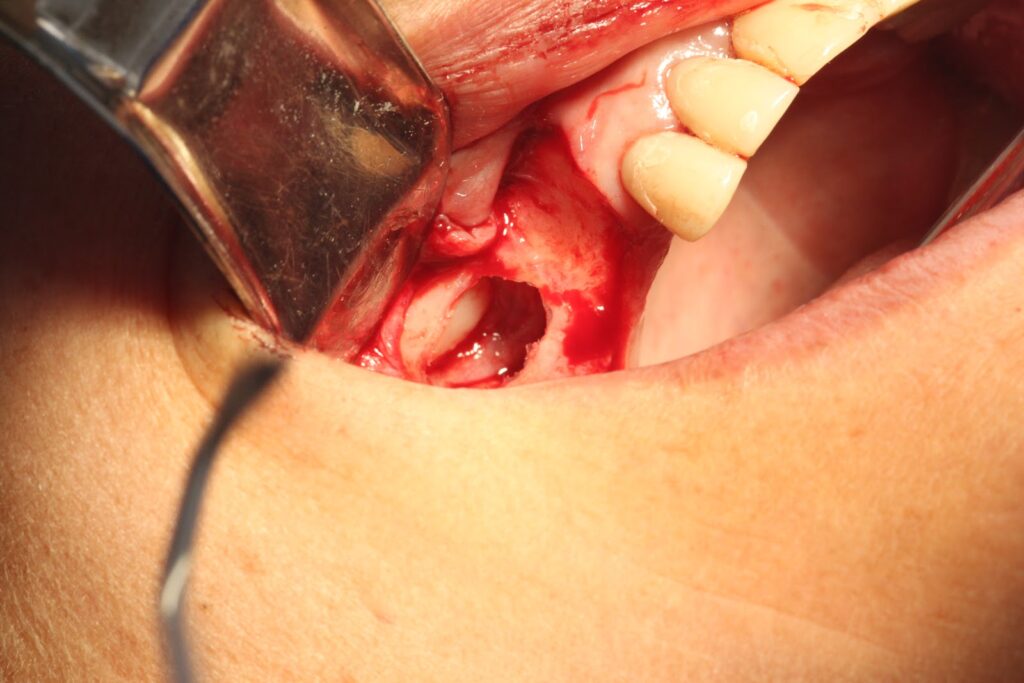
Pearls: Visibility is safety. If you can’t see what you’re elevating, you’re not elevating—you’re guessing.
Complication Literacy: What You’ll Practice, Calmly
- Membrane micro-perforations. Size assessment, patching protocols, and the wisdom to stage.
- Bleeding control. Window bone bleeding, sinus mucosal oozing—pressure, collagen, patience.
- Graft management. Avoiding overpacking; recognizing displacement; knowing when to leave well enough alone.
- Patient factors. Valsalva education, sneeze etiquette, and post-op sinus precautions to protect your work.
- Communication. Clear explanations without alarmism; informed consent that anticipates “what ifs.”
Your goal isn’t zero complications; it’s zero uncontrolled complications.
Pharmacologic Strategy: Tailored, Not Templated
Protocols vary by patient, but you’ll learn a rational approach to analgesia, anti-inflammatory support, and antibiotics when indicated, tied to medical risk and procedure extent. Emphasis on nasal hygiene and avoidance of pressure events (nose blowing) goes into written instructions your team can deliver consistently.
Asepsis and Sterile Workflow: Boring—and Brilliant
The best graft fails under contamination and tension. You’ll rehearse sterile draping that actually fits dentistry, instrument counts, suction choreography, assistant roles, and turnover strategy so each case feels quiet and controlled. Boring is beautiful in graft surgery.
Documentation That Teaches—Even Months Later
Adopt a sinus case pack:
- Pre-op photos and CBCT screenshots with measurements
- Printed plan with window outline or crestal depth notes
- Intra-op photos of key steps (window, elevation, graft)
- Narrative op note (RBH, instruments, graft type/volume, membrane events, torque, immediate vs staged)
- Post-op radiograph and written after-care
- Scheduled follow-ups (suture removal, radiographic check, restoration timing)
When you debrief with mentors, this pack becomes a mirror for continuous improvement.
Metrics (KPIs) That Signal Readiness to Scale
- Primary stability achieved when simultaneous placement is attempted
- Membrane integrity rate across cases (and how you managed tears)
- Healing quality at 1–2 weeks and at re-entry/restoration
- Planning time per case (down-trend as experience rises)
- Patient-reported outcomes (comfort, function, satisfaction)
Data turns opinion into progress. Track it.
Mini Case Vignettes (What You’ll See in a Week)
Case A: 5.5 mm RBH with mild septum
Decision: lateral window for visibility. Membrane elevated uneventfully; simultaneous 4.3 × 10 mm fixture with 35 Ncm torque. Outcome: uneventful healing, excellent bone fill on follow-up.
Case B: 7 mm RBH, smooth floor
Decision: crestal elevation with hydraulic system; gentle augmentation and simultaneous placement. Outcome: firm stability; patient back to work next day.
Case C: 3 mm RBH, thickened membrane on CBCT
Decision: lateral window staged graft. Small micro-tear patched; implant delayed. Outcome: on re-entry after healing, dense floor and easy placement with high torque.
These are ordinary successes—not heroics. Repetition makes them ordinary for you, too.
Mentorship & Ethical Boundaries
The most advanced skill is knowing when not to proceed. With mentorship, you’ll debrief tough calls, refine your thresholds for staging, and set stop rules you’re proud to follow. Patients trust you to combine skill with restraint.
What a Week in Level 2 Feels Like
- Day 1: Seminar on anatomy, planning algorithms, and instrumentation; simulator refresh for membrane handling.
- Day 2–4: Live-patient sessions—mix of crestal and lateral—under tight supervision. You’ll alternate operator and assistant roles to see workflows from both sides.
- Day 5: Documentation audits, complication roundtable, and personalized at-home action plan: procurement list, consent templates, after-care sheets, and your first graft cases selected with mentor input.
You leave with more than confidence—you leave with standards.
Q: Do I need prior grafting experience?
A: You should be fully competent with Level 1 fundamentals—atraumatic flaps, suturing, and CBCT planning. We build from there, step by step.
Q: How many sinus lifts will I perform?
A: Case numbers vary by cohort, but multiple supervised cases per doctor are typical, covering both crestal and lateral approaches.
Q: Can I always place the implant simultaneously?
A: Not always. Primary stability and membrane integrity guide that decision. Staging is not a failure—it’s good surgery.
Q: What if a membrane tears?
A: You’ll learn to assess size and location, patch when appropriate, and decide whether to proceed or stage. Documentation and patient communication are integral.
Q: How soon can I schedule sinus cases at home?
A: After you and your mentor review your case pack, confirm logistics, and align on your stop rules. Start with anatomy that matches your training cases.